
A nonprofit’s guide to website navigation (and how to prepare your team for the discussion)
Most nonprofit websites have navigation built around how the organization thinks about itself, not how visitors actually use it. Here's…

When you’re juggling program development, community outreach, grant applications, and volunteer coordination, your website often becomes that perpetual “we’ll get to it later” project. But here’s the truth: for many potential supporters, funders, and community members, your online presence is their first impression of your organization. It’s where they decide whether to trust you with their time, money, and partnership.
The good news? You don’t need a communications department or expensive consultants to build a trustworthy digital presence. After working with dozens of grassroots organizations operating on minimal resources, I’ve identified the key elements that create trust online—even when you’re building everything yourself between community meetings and grant deadlines.
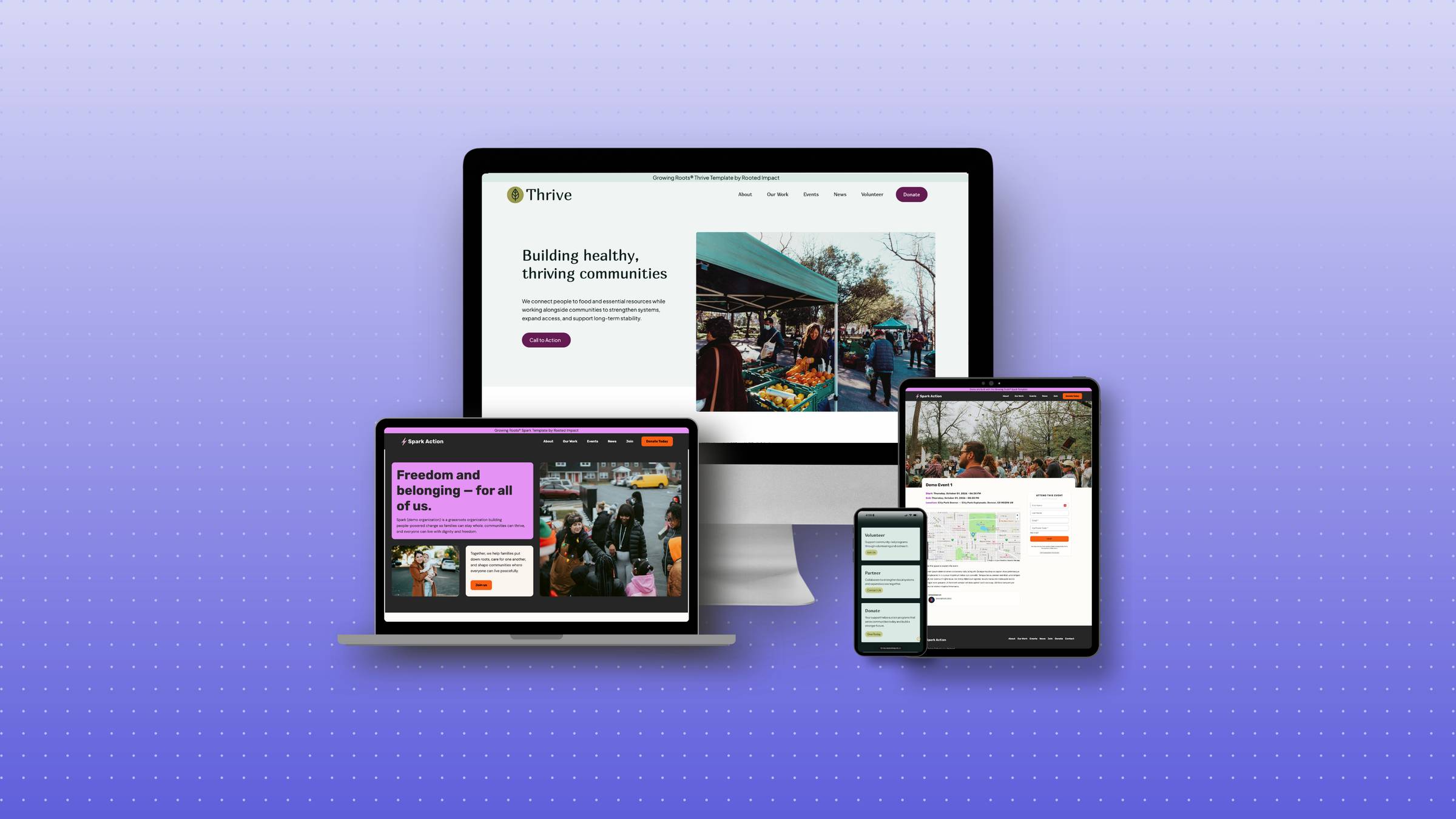
Your visual identity isn’t just about aesthetics—it communicates your organization’s values and authenticity at a glance.
When your visual elements (colors, fonts, imagery) feel disconnected from your mission or inconsistent across pages, visitors question whether you truly understand your own identity and purpose. When colors and fonts feel disconnected across your platforms, it makes it more difficult to design collateral, takes longer to design, and users question if it’s the same organization across your pages and platforms.
The solution: Choose 2-3 colors that reflect your community’s culture and energy, and use them consistently across your website, email, and social media. Select fonts that match your organization’s character—more professional and readable for policy work, more approachable for direct services. Use real photos from your programs whenever possible, but when you can’t, choose imagery that authentically represents the communities you serve.
Quick implementation tip: Create a simple quick style guide with your colors (hex codes), fonts, and image guidelines. This takes just 30 minutes but ensures consistency even when different team members update the site.
Want a starting point? Here’s my Essential Brand Guide Canva Template you can use to create your style guide. Simply switch out the colors and fonts to match your brand.
Vague mission statements and jargon-filled program descriptions make visitors work too hard. You want your mission and goals to be clear and relatable.
The solution: Replace abstract language with concrete descriptions and results. For each program, include a brief impact statement with specific numbers whenever possible. Instead of “We empower youth to create positive change,” try “Our leadership program has trained 45 local teens who have secured $25,000 in neighborhood improvement grants in the past year.”
Quick implementation tip: Ask someone outside your organization to read your website content and explain back to you what you do. If they struggle, you’ve identified where clarity is needed.
When resources are tight, testimonials and stories from community members become your most powerful trust-building assets.
The solution: Feature authentic testimonials from program participants, community members, or partners that tell specific stories of impact. If you don’t have formal testimonials yet, share a brief community story or impact narrative in your own words until you can collect direct quotes.
Quick implementation tip: When requesting testimonials, ask specific questions like “What tangible results or outcomes have you experienced through our program?” or “What would you tell someone considering working with us?” rather than just asking for general feedback.
Nothing builds trust like transparency about who’s behind the work and how resources are used. Anonymous or vague “About Us” sections raise immediate questions about accountability and legitimacy.
The solution: Include real photos and brief bios of key team members and board members if applicable. Don’t worry if your team is small—authenticity matters more than size. If you’re comfortable sharing it, include basic information about your funding sources and how resources are allocated.
Quick implementation tip: Even if you can’t build a full team page right now, make sure your homepage or about section includes at least one real person with a name, photo, and connection to the mission. This immediately humanizes your organization.
Outdated websites with “coming soon” sections or news from 2019 signal an inactive organization. When content is clearly outdated, visitors wonder if your programs are still active and whether you are still doing important work, looking for funding, or supporters.
The solution: Instead of trying to maintain multiple content sections that need frequent updates, focus on one area you can realistically keep current. This might be a simple news section updated monthly, an active Instagram feed embedded on your site, or even just ensuring your upcoming events are always current.
Quick implementation tip: Set a calendar reminder for a 30-minute website review on the first of each month. During this time, update any time-sensitive content and remove or archive anything that’s no longer relevant.
Make sure people can reach you easily. Don’t make your contact information hard to find. Put a clear contact button in the header and footer.
The solution: Make your contact information visible on every page, ideally in the footer. Include at least an email address and, if possible, a phone number. Be clear about response times if you can’t monitor communications daily.
Quick implementation tip: Create a simple contact form as a backup option for people who prefer not to use email directly, but never rely solely on a form—always provide a direct contact method as well.
The most important thing to remember is that an imperfect website that authentically represents your work is far better than no website at all—or one that looks polished but feels disconnected from your actual community.
Trust isn’t built through design perfection; it’s built through transparency, consistency, and clear communication about the real impact you’re making. Each of these elements can be implemented with minimal technical skills and within the constraints of even the busiest grassroots organization’s schedule.


© 2026 Rooted Impact. All rights reserved.